
 Varmt välkommen till viafirenze.se, din leverantör av oslagbara reklamprodukter som förstärker din företagsimage och budskap!
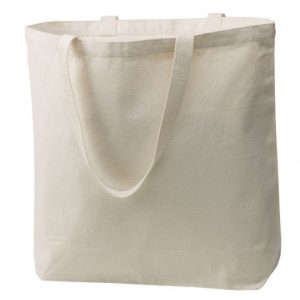
Vi erbjuder våra kunder tygpåsar av hög kvalitet till rimliga priser; produkter som är mycket hållbara och ständigt uppskattade som gåvor i olika sammanhang.
På den här sajten kommer vi presentera fördelarna med tygpåsar jämfört med liknande produkter på marknaden.
Tygpåsar med tryck – en uppskattad produkt
Vi kommer också ge tips på i vilka sammanhang du som företagare kan ha nytta av tygpåsarna och varför dessa kommer bli mycket uppskattade av både befintliga och potentiella kunder.
Det finns idag en mängd olika profilprodukter på marknaden som syftar till att sprida företagsnamnet och budskapet, så att det lättare kommer att kännas igen både nu och i framtiden.
Långt ifrån alla reklamprodukter är dock lyckade sådana. Många av dessa blir helt enkelt lite för obetydliga, som exempelvis pennor och slipsnålar som blir alldeles för små för att synas ordentligt.
Genom att använda sig av tygpåsar får man som företag, maximal exponering på en produkt som förutom att den syns väl, dessutom bärs omkring och exponeras därmed extra mycket. Tygpåsen blir med andra ord en sorts rörlig reklampelare som sprider kunskap om ditt företag av bara farten.
Välj en modell som passar ert varumärke
Det finns många varianter av tygpåsar och hos oss på viafirenze.se hittar du alla de varianter du kan förvänta dig. Du kan välja att ha tryck på båda sidorna av påsen, eller enbart på en sida om du istället skulle föredra detta.
Dessutom finns tygpåsarna i ett flertal kulörer, så att alla ska hitta den variant som passar allra bäst. Ha inte för bråttom, utan klicka dig omkring bland de olika tygpåsar vi har i sortimentet och fundera på vilken eller vilka som bäst skulle passa just ditt företag.
Har du några frågor eller funderingar är du mycket välkommen att kontakta oss, så hjälper vi dig gärna.
Tygpåsar med tryck är en given storsäljare i varje företag och förenings profilutbud, en väldigt billig och lättutdelad produkt som ger bra och tydlig exponering under lång tid, kan inte bli så mycket bättre än så, eller hur? Enklast är att handla sina tygpåsar med tryck online, då får man också bäst pris.
Gå in på er leverantörs hemsida eller sök online på google efter ett företag som har ett bra utbud. Kolla igenom deras olika modeller och se vilken som passar er bäst. Ett av Sveriges största och bästa sortiment av tygpåsar finner ni på tsreklam.se. Där kan ni kolla runt bland olika varianter och tygkassar i olika material.
När ni funnit en modell som passar er och er profil kan ni be er leverantör om pris och bildskiss. De skickar då förslag på era valda tygpåsar med ert tryck på så att ni tydligt ser hur slutresultatet blir.